
A Grand Design for Animals
There is a new zoo! A glorious and sprawling expanse of land in the nation's northernmost contiguous state has been opened to the public as the Minnesota Zoological Garden, and it is an exciting adventure.
Spreading across 500 acres of lush, forested hills in Apple Valley, the park accommodates 1500 animals and offers each a natural habitat in which to live. The Minnesota Zoological Garden has a zoogeographic design, which means that a broad spectrum of animals from a particular habitat lives together in the zoo much as they would in the wild. There is no deliberate segregation of animals by types. An insect house, a reptile house, or a lion house are not to be found at this zoo.
One place to start a journey through this enchanting garden is at the sealife exhibit. The beluga whales steal the show. These charming mammals with their striking coloration give every indication of thoroughly enjoying their new home after leaving the Canadian Arctic where they were captured. They swim in a 560,000 gallon tank and seem to wear constant smiles. The whales average about 18 feet in length and can be watched from indoors or out, from above or below the water level as they eat, play and converse. The saltwater pool is equipped with hydrophones that pick up "whale talk" and transmit it to the audience. The underwater viewing windows are immense, and it is exhilarating to see these friendly whales slip through the water as they would through a polar ocean.
Back into the daylight, the coniferous forest, the tall-grass prairie, and the deciduous forest are specifically designed to represent the three major biomes of Minnesota and to display the wildlife in their natural setting. This is accomplished in the Minnesota Wildlife Building where 100 species indigenous to the state are seen by the public in a year-round indoor/outdoor exhibit. Here we are able to enjoy the communities of animals as they live in the wild—the grey fox and the great horned owl, the fluid movement of the lynx and the puma, the wolverine and the raven. The beaver can be seen at work on a dam and sharing its habitat with the river otter and the paddlefish. Just to mention a few of Minnesota's birds, the pied-billed grebes, green herons, and kingfishers live compatibly by a shimmering pool. This captivating exhibition continues with a specialized nocturnal forest featuring flying squirrels, spotted and striped skunks, saw-whet owls and cave bats, each intriguing in its own right.
The children's zoo is a departure from the zoogeographic approach of the rest of the garden. Here children can touch and feed the congenial domesticated inhabitants: goats, donkeys, cows, and geese. In the barn they can find roosters, hens, rabbits, and guinea pigs. There is a special exhibits building for the children, where they can watch leafcutter ants, and see a hummingbird aviary. Also to be found are bees producing honey inside their see-through hive. These insects can be seen flying to and from their hive by way of a transparent tunnel opening to the sky. The children's zoo includes a nursery where the hand-rearing of young animals can be observed.
The snow monkeys or Japanese macaques, agile, hairy beasts with almond-colored eyes, become the center of attention between the sealife exhibit and the children's zoo. A cluster of trees standing by a pond is the focal point of interest for the macaques as they swing from branches, enjoy a chase, or just sit in the sun. These creatures are equally at home out of doors in any of Minnesota's varying seasons. The adult animals carry out the usual tasks of guardians everywhere—discipline, groom, protect, and teach.
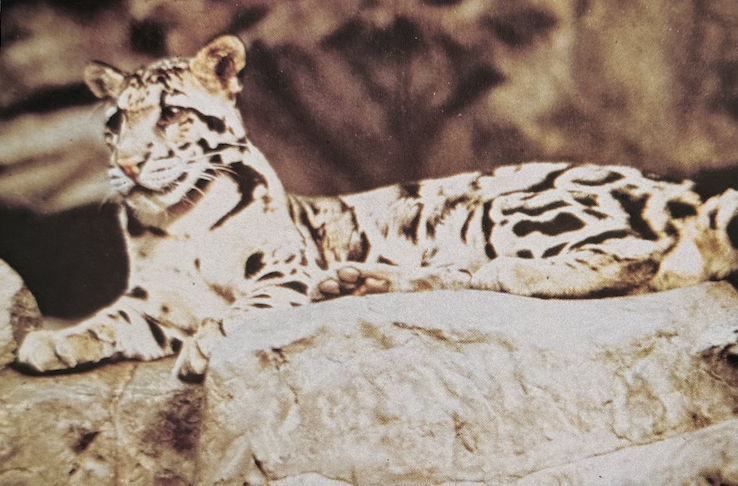
The Minnesota Zoological Garden creates natural environments for many exotic species, while allowing the public to view the animals, such as this snow leopard, with safety for both species.The charm of the belugas is often in direct contrast to the indifference of the other sea life featured in this same exhibition. Sea stars, lobsters, crabs, urchins, shrimp, barnacles, Alaskan crab and flounder are among the panorama of sea creatures from the polar, temperate, and tropical oceans of the world.
The tropic area is a Southeast Asian paradise accommodating 80 species of animals and 400 species of plants. Great care and attention to detail have been taken to sustain the animals, birds, and plants. This environmentally controlled garden has a tranquilizing effect on the visitor with walkways weaving about to give the guest excellent viewing, while allowing the inhabitants privacy. Security is provided through the abundant use of beautiful plants, rock dens, enclosures, and precipices. The environment is completed with streams, brooks, falls, and other waterways for the comfort of the clawed otters, white-cheeked gibbons, flamingos, great hornbills, and vultures. Other animals sharing this jungle include spotted leopards, tapirs, chevrotains, false gavials, and Burmese pythons.
From the brightness of the daylight habitats we can move into the darkness of the nocturnal kingdom. In this world of artificial moonlight, of night seekers and prowlers, we can see those animals which prefer darkness in which to pursue their activities. The zoo guest can observe honey-colored cats, the striped hyenas, fruit bats, palm civets, tawny owls, binturongs, and slow lorises.
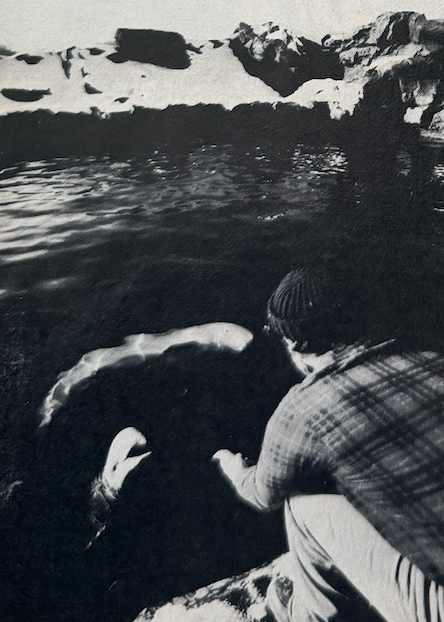
Baluga whales are striking in coloration as well as intelligence.
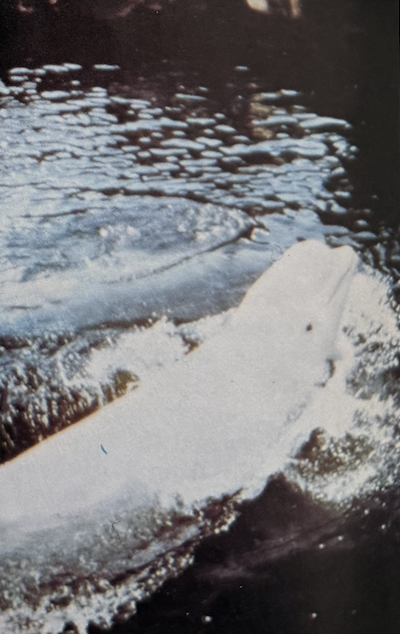
The unusual guise of the baluga fits well with its northern environment.
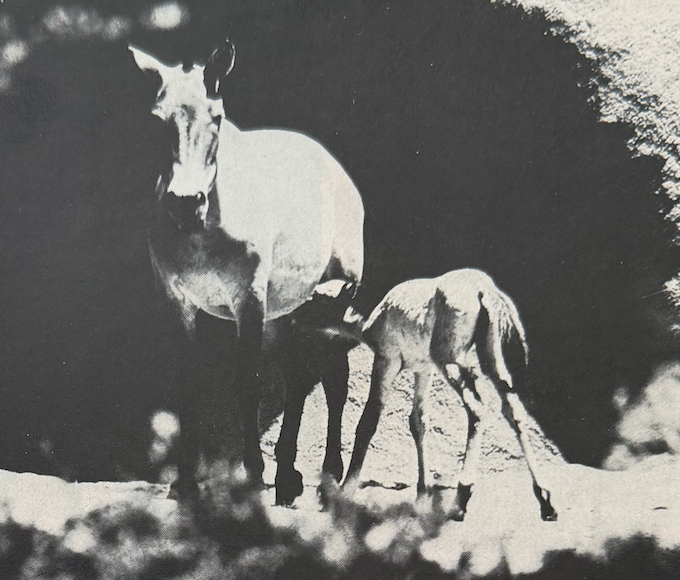
Mongolian wild horses no longer exist in the wild, but many continue to thrive in zoos around the world. These examples at the MZG facility enjoy great popularity with visitors.
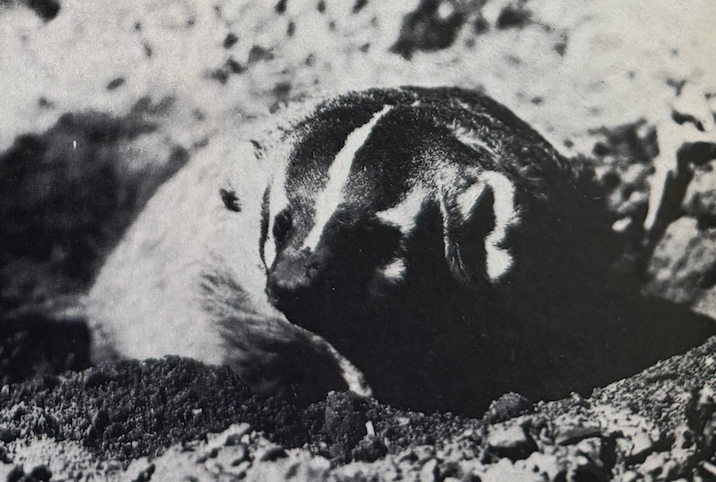
The new zoo has a complete collection of North American animals, such as this badger.The innermost boundary of the Northern Trek, in the current phase of construction, is a spacious, partially forested domain of the Asiatic horses, Bactrian camels, musk oxen, Siberian tigers, and moose. Until the completion of the outermost region of the Northern Trek in 1979, the visitor will watch the gently sloping hills of Minnesota being transformed into the nature-imitating habitat of animals from five diverse environments of the Northern Hemisphere.
This display is expressly for the large, cold-climate animals. Mountain terrain will be the residence for the Rocky Mountain goats and the bighorn sheep, while an arctic atmosphere of snow, ice, and water will make the polar bears and seals comfortable. Grasslands will allow the caribou, arctic foxes, wolves, and saiga antelope the privacy and freedom of their natural surroundings in the wild. The snow leopards and grizzly bears will stalk an alpine forest. With only limited and unobtrusive barriers between these exhibits, the visitor can view the everyday life of these creatures while allowing the animals the privacy and security necessary to breed and raise their young.
A monorail moves above and around the elaborate kingdom and gives an overview of the entire two miles of the Northern Trek. For those who prefer a more leisurely alternative for examining this sprawling open-air show, pedestrian walkways take the guest around and through the garden.
Photos courtesy of the Minnesota Zoological Garden.
Originally published in Pets and People of the World, October 1979.
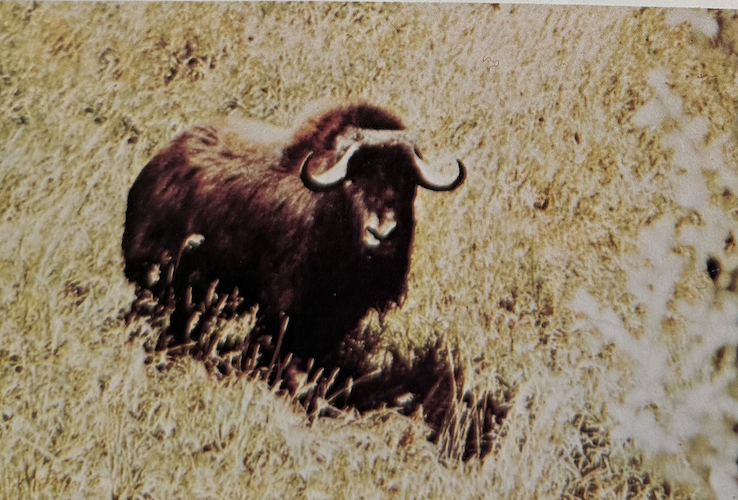
Musk oxen feel right at home in the sub-zero Minnesota winter. The Northern Trek of the Apple Valley Zoo provides visitors with a chance to see a wide variety of temperate-climate animals from around the world.
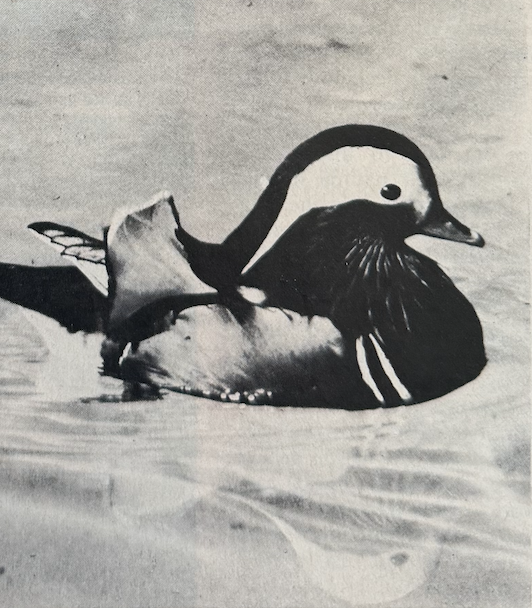
Mandarin ducks are perhaps the most colorful of waterfowl to be found at the Minnesota Zoological Garden. They sport bright orange, vivid turquoise, startling white, and rich tans.
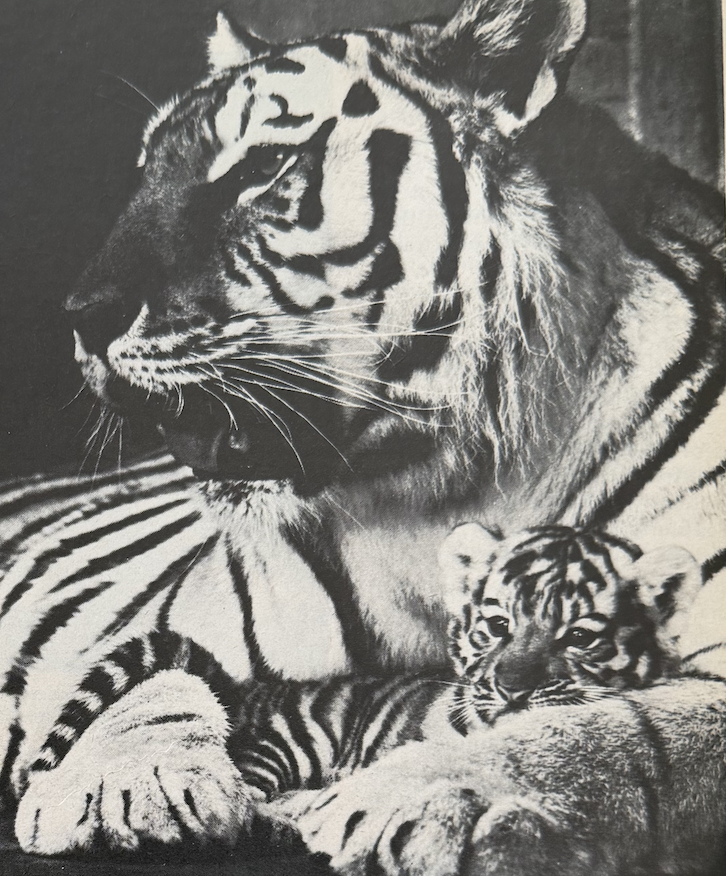
Big cats are popular at all zoos, especially when frolicsome cubs provide entertainment. This Siberian tiger and her cub are testaments to the care and environment at the new zoo.